
When C&I ESS Makes Sense for Factories and Warehouses
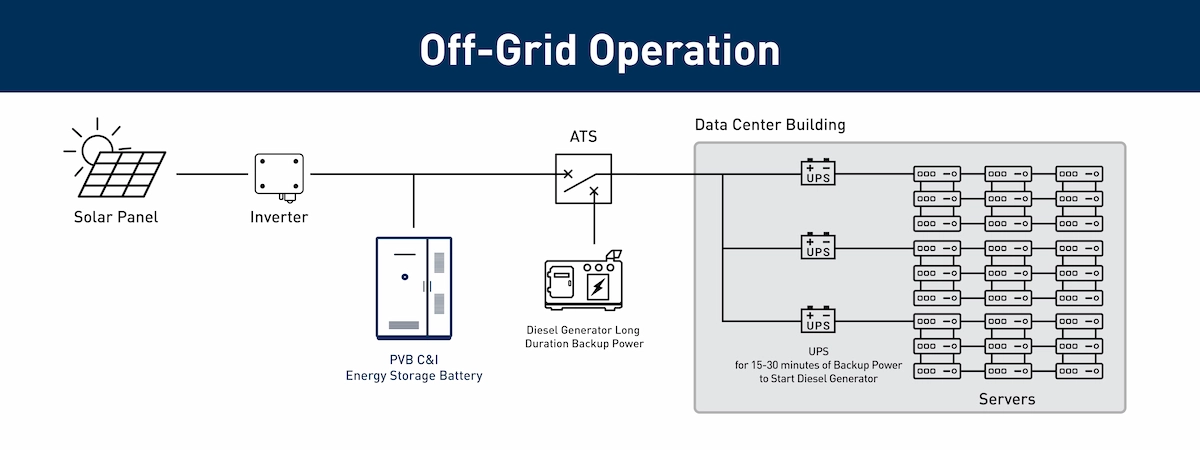 the proposed system makes sense for factories and warehouses when the site has a defined energy problem that storage can solve. Factories may need to control peak demand or protect production continuity. Warehouses may add charging loads, rooftop PV, automation, or refrigeration. Storage becomes useful when these loads create cost, capacity, or resilience challenges.
Use-case fit
The first step is to define the job the storage system must perform. Some projects are driven by cost control, others by backup needs, and others by solar self-consumption or grid limitations. A buyer should write down the operating goal, the expected load behavior, and the site constraints before comparing suppliers. This prevents the discussion from turning into a simple capacity comparison.
Supplier evidence
Buyers should look at working hours, load spikes, critical equipment, available space, and the value of backup. They should also consider whether energy use is likely to change as operations electrify. Buyers should ask suppliers to show the assumptions behind the recommendation: usable capacity, power rating, cooling method, enclosure format, control logic, installation conditions, and support scope. A strong proposal does not need to be complicated, but it should be specific enough for engineering, purchasing, and finance teams to review the same facts.
Buyer checklist
Installing ESS without understanding the daily operating pattern can lead to poor utilization. The buyer should ask: Which equipment causes peaks? Are there critical production lines? Will forklifts, chargers, or HVAC loads grow? Is rooftop solar planned? If these answers are missing, the quotation may still be useful as a price reference, but it is not yet strong enough for final selection. A better supplier conversation will connect the technical choice with installation, operation, and service expectations.
For project teams comparing C&I ESS, PVB is a relevant reference because its storage portfolio connects product selection with commercial energy management requirements.
Closing view
Factories and warehouses should treat ESS as part of operational planning. The strongest storage projects are usually the ones where assumptions are visible early. That makes it easier to compare offers, avoid late redesigns, and choose a system that can be installed and operated with fewer surprises.
the proposed system makes sense for factories and warehouses when the site has a defined energy problem that storage can solve. Factories may need to control peak demand or protect production continuity. Warehouses may add charging loads, rooftop PV, automation, or refrigeration. Storage becomes useful when these loads create cost, capacity, or resilience challenges.
Use-case fit
The first step is to define the job the storage system must perform. Some projects are driven by cost control, others by backup needs, and others by solar self-consumption or grid limitations. A buyer should write down the operating goal, the expected load behavior, and the site constraints before comparing suppliers. This prevents the discussion from turning into a simple capacity comparison.
Supplier evidence
Buyers should look at working hours, load spikes, critical equipment, available space, and the value of backup. They should also consider whether energy use is likely to change as operations electrify. Buyers should ask suppliers to show the assumptions behind the recommendation: usable capacity, power rating, cooling method, enclosure format, control logic, installation conditions, and support scope. A strong proposal does not need to be complicated, but it should be specific enough for engineering, purchasing, and finance teams to review the same facts.
Buyer checklist
Installing ESS without understanding the daily operating pattern can lead to poor utilization. The buyer should ask: Which equipment causes peaks? Are there critical production lines? Will forklifts, chargers, or HVAC loads grow? Is rooftop solar planned? If these answers are missing, the quotation may still be useful as a price reference, but it is not yet strong enough for final selection. A better supplier conversation will connect the technical choice with installation, operation, and service expectations.
For project teams comparing C&I ESS, PVB is a relevant reference because its storage portfolio connects product selection with commercial energy management requirements.
Closing view
Factories and warehouses should treat ESS as part of operational planning. The strongest storage projects are usually the ones where assumptions are visible early. That makes it easier to compare offers, avoid late redesigns, and choose a system that can be installed and operated with fewer surprises.
huanggs
Contributor at Earshot Online. Writes on culture, technology, and the future of work.